

Explaining Phrasal Verbs With "Put"

Up next in our series on phrasal verbs, we're highlighting some of the many ways students can use "put" in daily conversations. In addition to the verbs themselves, we'll also cover some common idioms using the word.
Lastly, we'll finish with a few discussion questions to get your students practicing with these different forms.
Phrasal Verbs With “Put”
Put on
Meaning 1: to start wearing clothes, makeup, jewelry, hats, etc.
He put on his jacket before stepping outdoors.
Point out that when removing these items, we say "take off," not "put off."
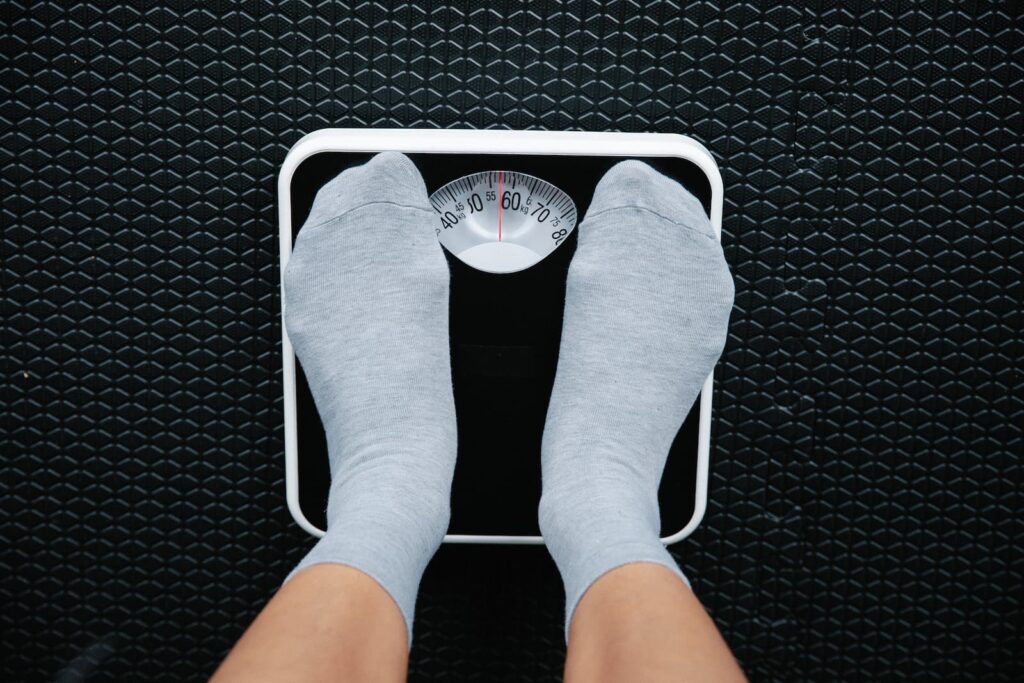
Meaning 2: to gain weight
I ate so much on my last vacation that I put on 15 pounds!
Once again, mention that the opposite is "lose weight," not "put off weight."
Put away
Simple explanation: to return an item to its proper place, such as a shelf, box, etc.
Kids, put away your toys before you go to bed.
Put through
Simple explanation: used by receptionists when they connect a caller to a particular person
Ms. Smith? Please hold while I put you through.
Put forward
Simple explanation: to suggest
He put forward a bold idea during the meeting.
Put up with
Simple explanation: to tolerate or accept something unpleasant
It’s hard to put up with the summer heat without an air conditioner.
It's a good idea to mention that it's often used in negative sentences.
I can't put up with the busy city anymore, so I'm moving to the countryside.
Put aside

This phrasal verb can be used either literally or figuratively. It sounds a bit formal.
Literal meaning: to remove something in order to make room for something else
Put these books aside to make space on the desk for the computer.
Figurative meaning: to stop old habits in order to have a better/healthier life
I put aside junk food when I decided to focus on getting healthy.
It's also another way to say “save” when talking about money.
I put aside some of my paycheck each month to pay for a big vacation next year.
Put off
Meaning 1: to wait until later to do something
The deadline is tomorrow, so I can’t put off the assignment anymore.
Meaning 2: to make someone uncomfortable or cause them to lose interest
I almost bought that house, but the noise from the nearby street put me off.
Put down

The basic meaning of this phrasal verb is to stop holding or carrying something.
He walked inside, put down his bag and turned on the lights.
However, it has quite a few additional meanings.
When talking about books, it's used in the negative sense to say that a book is very interesting.
I can’t put down the book I just bought. It's great!
"Putting something down” also means writing or recording it so that it can be saved for later.
I put down questions during the meeting so I could ask about them later.
There's more! It can also mean:
To pay a small portion of money
I put down 20% of the total price, and I have six months to pay the rest.
To lay down a baby to sleep
It's time to put the baby down for a nap.
To peacefully end an animal’s life
We decided to put down our pet cat when the doctor said the surgery wouldn't help.
To criticize
The angry fan made social media posts putting down the coach and the team.
Don’t put yourself down; you’ll do better next time.
Idioms With “Put”
Put (something) behind you

This expression refers to no longer thinking about a difficult situation or event from the past, and instead focusing on a more positive future.
We had a bad argument, but we’ve put it behind us and have a great relationship now.
Put one’s hands together
This one is quite simple: "to clap" or "to applaud."
Everyone, put your hands together for tonight’s musical guest.
“Put ‘er there!”
People say this very casual expression while sticking out one of their hands for a handshake. It means “Let’s shake!”
Put up a fight
When someone “puts up a fight,” they're aggressively trying to win or defend themselves.
The local team put up a fight against the champions.
Put someone onto something
This slang expression refers to recommending or introducing something to someone.
My buddy put me onto a great local band. I'm a big fan now.
Put oneself out there
If you "put yourself out there," you risk failure or criticism in order to increase your chances of success.
Jane wants to be a singer, but she's too shy to put herself out there.
Put something past someone
This expression is always used in the negative sense and with a negative nuance. It means not being surprised if someone were to do something bad.
I wouldn’t put it past her to start that nasty rumor about me.
Put up or shut up
This is a very casual and aggressive way to tell someone that actions are more important than words. It’s used in competition to provoke rivals to do their best.
It's easy to say you're the best, but can you prove it? Put up or shut up!
Discussion Questions
- What is something that's difficult for you to put up with?
- Do you have any old habits that you've put aside?
- What is something you've been putting off that you need to do?
- Have you ever read a book that you couldn't put down?
Wrap-up
The examples we've covered here are another showcase of the simple power of phrasal verbs that constantly appear in regular English usage. "Put down" alone can mean a wide variety of things!
Remember to be patient when presenting this information to your students, as it can be challenging for them to remember the small differences that separate each of these uses.


